Access All Courses: The Biblical Studies Academy (BSA)
BEST VALUE

49.95/mo14-Day Free Trial
ALL of our online courses including some not yet released for sale, exclusive bonuses, and a community of like-minded people plus guest scholars to answer your questions, all in one place!
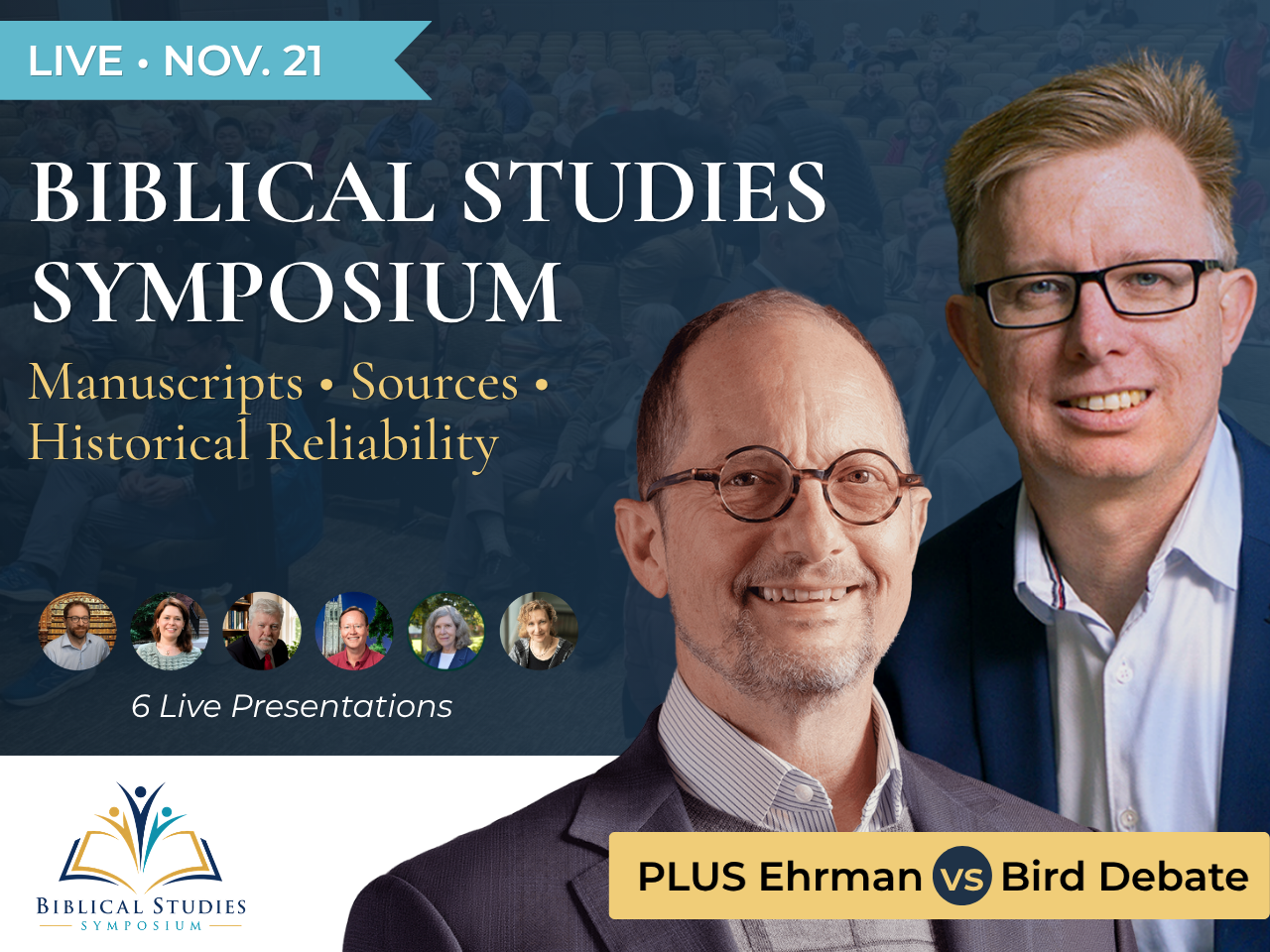
An intimate one-day gathering where eight leading scholars tackle the biggest questions about how the Bible came to be, capped by a live closing debate on whether the Gospels are based on eyewitness testimony.
The Bible doesn’t behave the way you were told it would.
What would Jesus do? That may be the wrong question.
Read the flood story closely and you’ll find two of them, stitched together.
Christians have known the Gospels disagree since the second century. The real question is what to do about it.
Get in the mood for Halloween season with the Bible’s own stories of demons, ghosts and the restless dead.
Did Moses really exist? Did he write the Torah? What are the Ten Commandments, anyway? Take a deep dive into the stories of Moses, the exodus, the giving of the law on Mount Sinai, and their relevance for society today.
You may have read Genesis, but not like this. Discover how scholars read the beginning of the Bible that describes the beginning of all things.
In this course we dig into the social world specific to Jesus in first-century rural Galilee, a world of poverty, subsistence farming, and limited opportunities. It is easy to think that Jesus transcended that world, but in fact he was deeply embedded in it, and to make sense of his life and teachings we need to know that world in its concrete realities.
What really happened in the history of ancient Israel, and how do we know? Take a guided tour through the sweeping narrative of Israel’s rise and fall as told in the historical books of the Bible - Joshua, Judges, Samuel and Kings - not only what they say, but why they say it that way.
Discover the strange origins, controversies, and influence of the Gospel of Peter, an early Christian text significant for its connection to other early gospels, its first-person narration, and its distinctive retelling of Jesus’s resurrection.
The enormous variation among modern Christian denominations pales in comparison to what we find among early Christianity. But how did one group emerge as dominant? Why did they get to choose which books would be accepted as scripture and which beliefs were "right"?
A common refrain in many Christian spaces today is the call to pursue a “biblical marriage.” But what if that phrase tells us more about modern culture wars than it does about the ancient world?
How did a Jewish movement come to preach against the Jews?
Reading and understanding the Hebrew Bible is no small task. In this course, we rethink what these stories are, and what they might have meant in their original contexts, reading old stories in new lights—or, perhaps better, in really old lights.
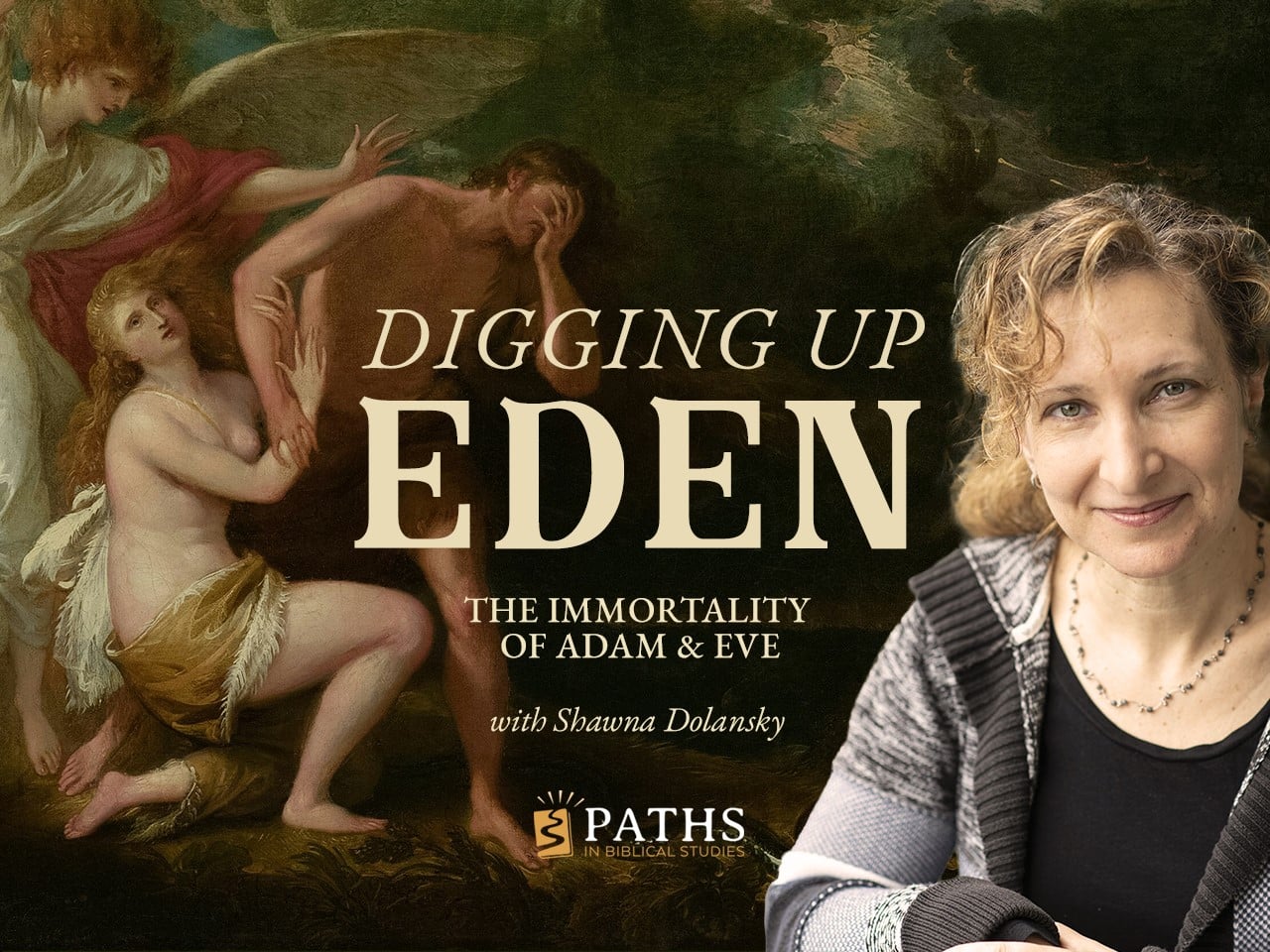
You haven’t learned the Adam and Eve story. You’ve learned 2,500 years of edits to it.
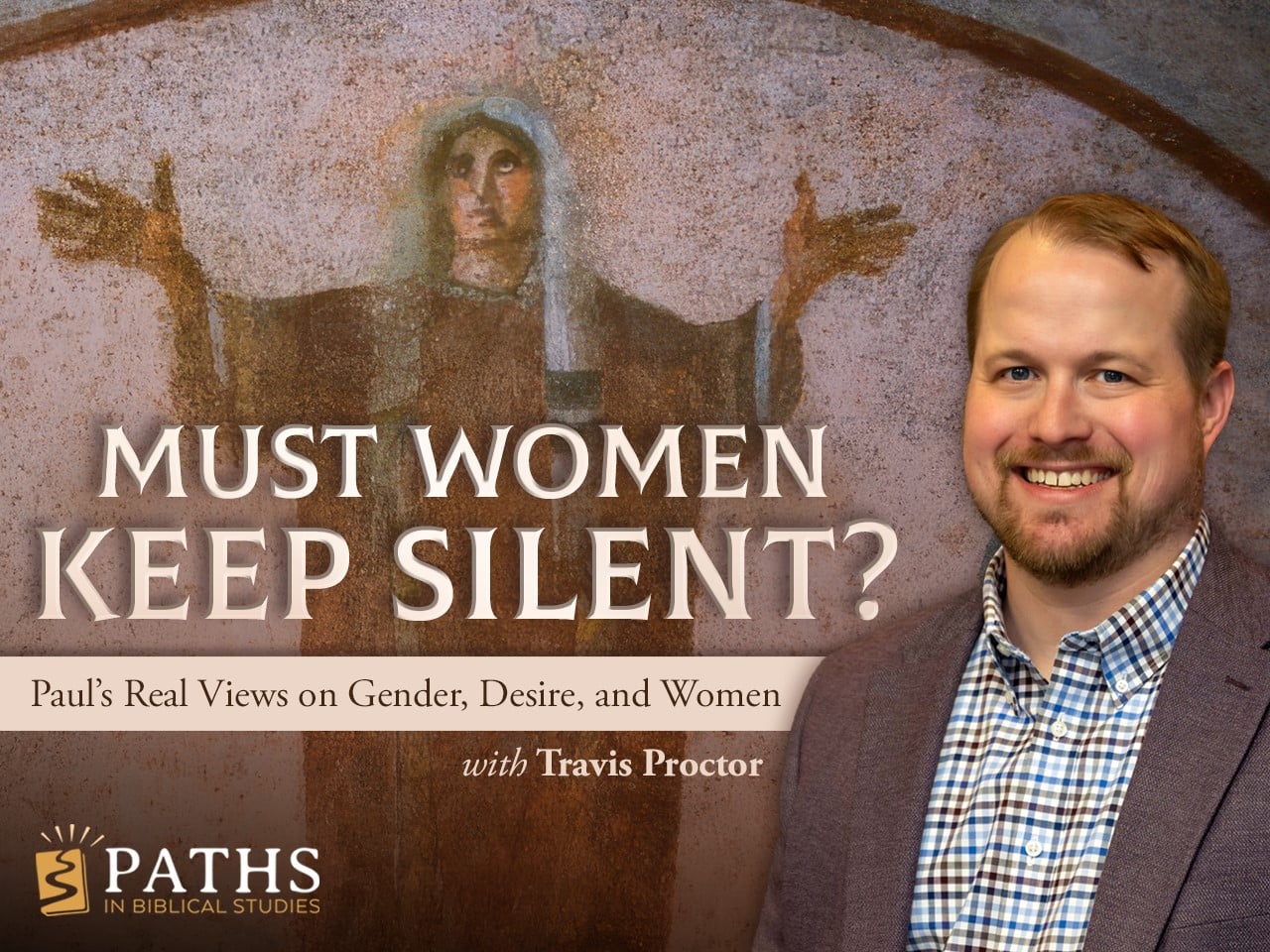
Did Paul liberate women or silence them? Depends which Paul you’re reading.
A deep dive into the texts that didn't get into the New Testament l from top scholars in the field. Gain lifetime access to nine main talks and bonus events presented at the New Insights into the New Testament conference in 2026.
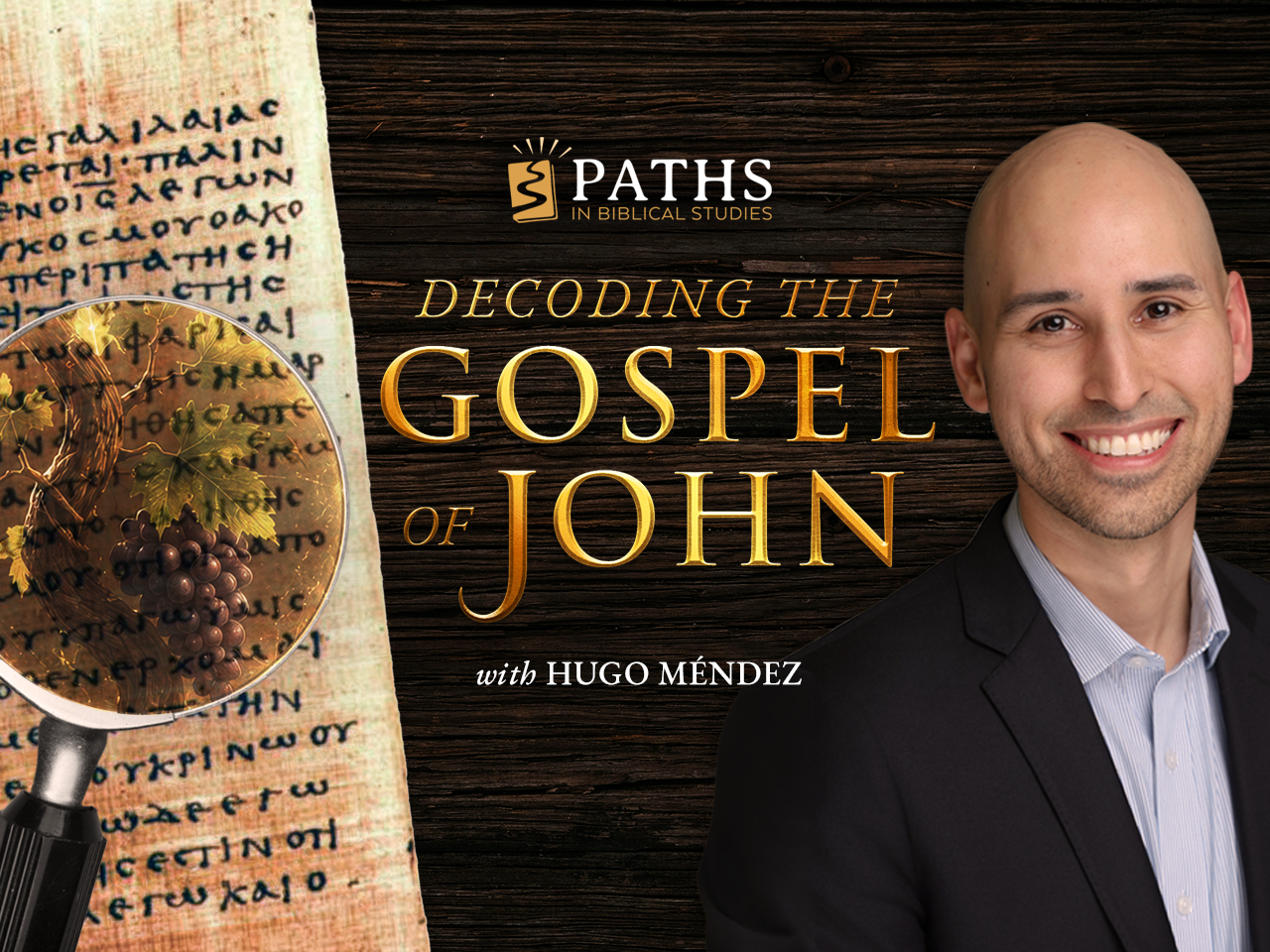
The Gospel of John isn’t just another Jesus story—it may be the Bible’s most theologically daring and densely crafted book. Take a guided tour through John’s intricate vision of Jesus, and how that theology is carried through a layered, often hidden network of symbols.
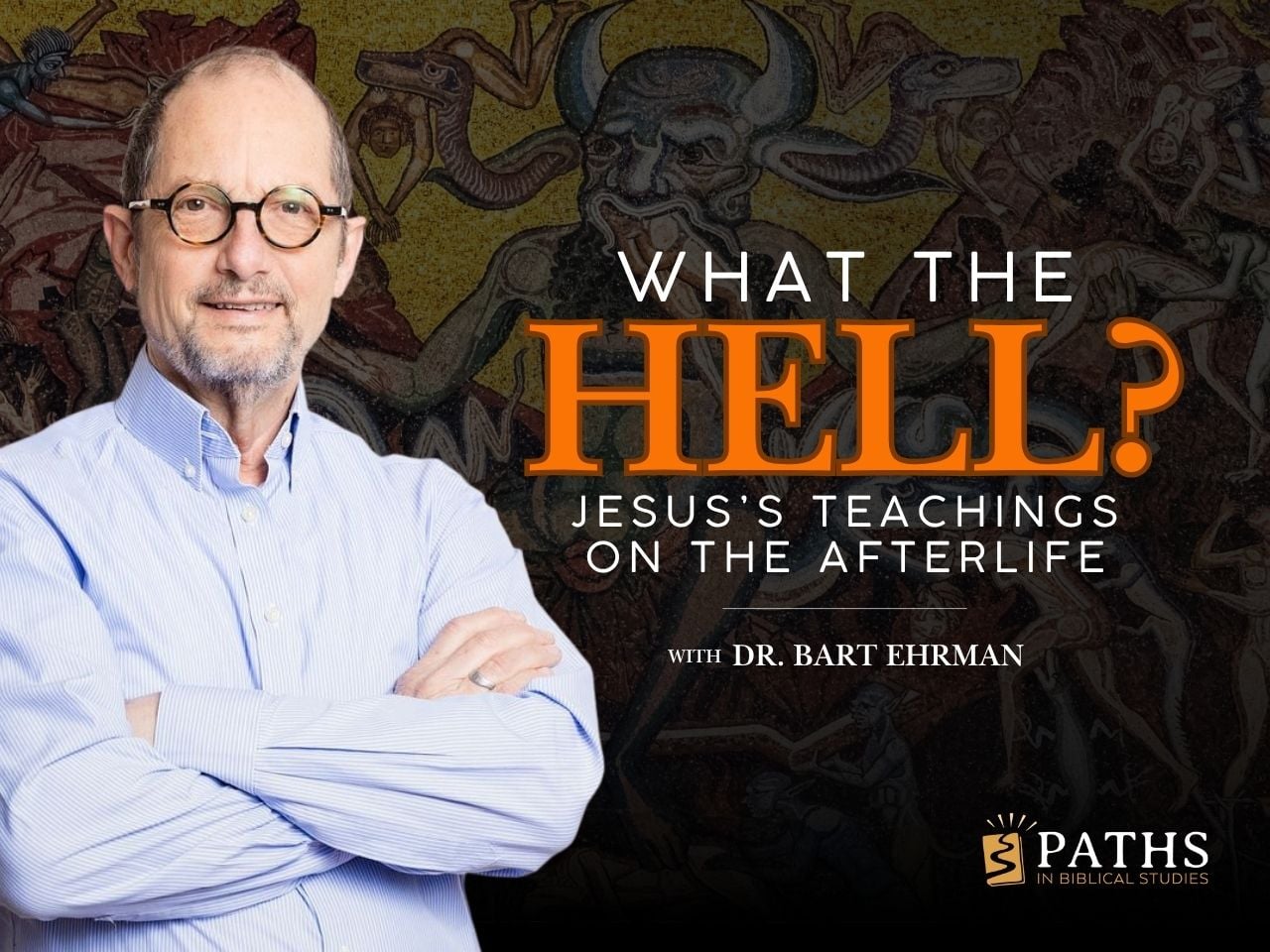
Many people have trouble understanding how a good God could send billions of people to eternal torment because they have not believed the right things or behaved the rights ways. But is this what the Bible actually teaches? Is it what Jesus himself thought?
The end of the world is nothing like you think. This course traces the origins, development, and legacies of early Jewish thought about the end times and expectations of a future “age to come,” including the development of apocalypticism and its impact on the rise of Early Christianity.
Why do we suffer? It's one of the most timeless and universal questions in human history. In this course, we examine distinctive approaches and responses to suffering in early Christianity—especially, why they came to embrace suffering rather than reject it.
Survey the many different and often competing forms of Christianity that arose and flourished in the late first to early fifth centuries, from the composition of the later writings in the New Testament to the collapse of the Roman Empire in the West.
Explore the “apocrypha” - the "banned books" of the Bible - and why they matter for understanding the Bible as well as the histories of Judaism and Christianity.
Learn how archaeology sheds light on Jesus and furnishes a context for better understanding his teachings as related in the Gospel accounts in four richly-illustrated surveys of archaeological remains that relate to Jesus and his world.
The Hebrew Bible wasn’t written in a vacuum, and its writers didn’t live in seclusion from the rest of the ancient Near East. This course introduces the world and civilizations of ancient Mesopotamia, and explores how they influenced and shaped the Hebrew Bible.
Does the Bible declare, intimate, or assume that the fetus is human? Some emphatically say yes. Others are not so sure. In these lectures, we address this controversial question head-on: What does the Bible say about the status of the unborn? When does life begin?
This one-of-a-kind course takes seriously the historical problems posed by Quran in comparison with those of the Bible. In the end, we explore a key provocative issue: Is it even possible for faithful Christians and Muslims to study their scriptures historically, critically, and honestly?

For many, the cities of the Holy Land are known merely as the setting for the epic stories and heroic adventures detailed in the Bible. But what if each of these cities and the people who built and inhabited them actually contributed to the very composition of the Bible we know today?
The Gospel writers go out of their way stress that the coming of the Son of God in the world was not a purely joyful and happy moment. This course reveals the "dark side" of Christmas, as found in the Gospel accounts themselves.
The Gospels are our primary sources of information about the historical Jesus, but they are problematic. These problems make it difficult for historians to reconstruct the life of Jesus, but do they lead to complete skepticism about Jesus himself? Are there reasons for suspecting he never actually existed?
Did Jesus himself believe he was divine? This course contrasts various perspectives, from traditional Christian views to critical historical analyses, emphasizing how early Christians and theologians developed the doctrine of Jesus as God over time.
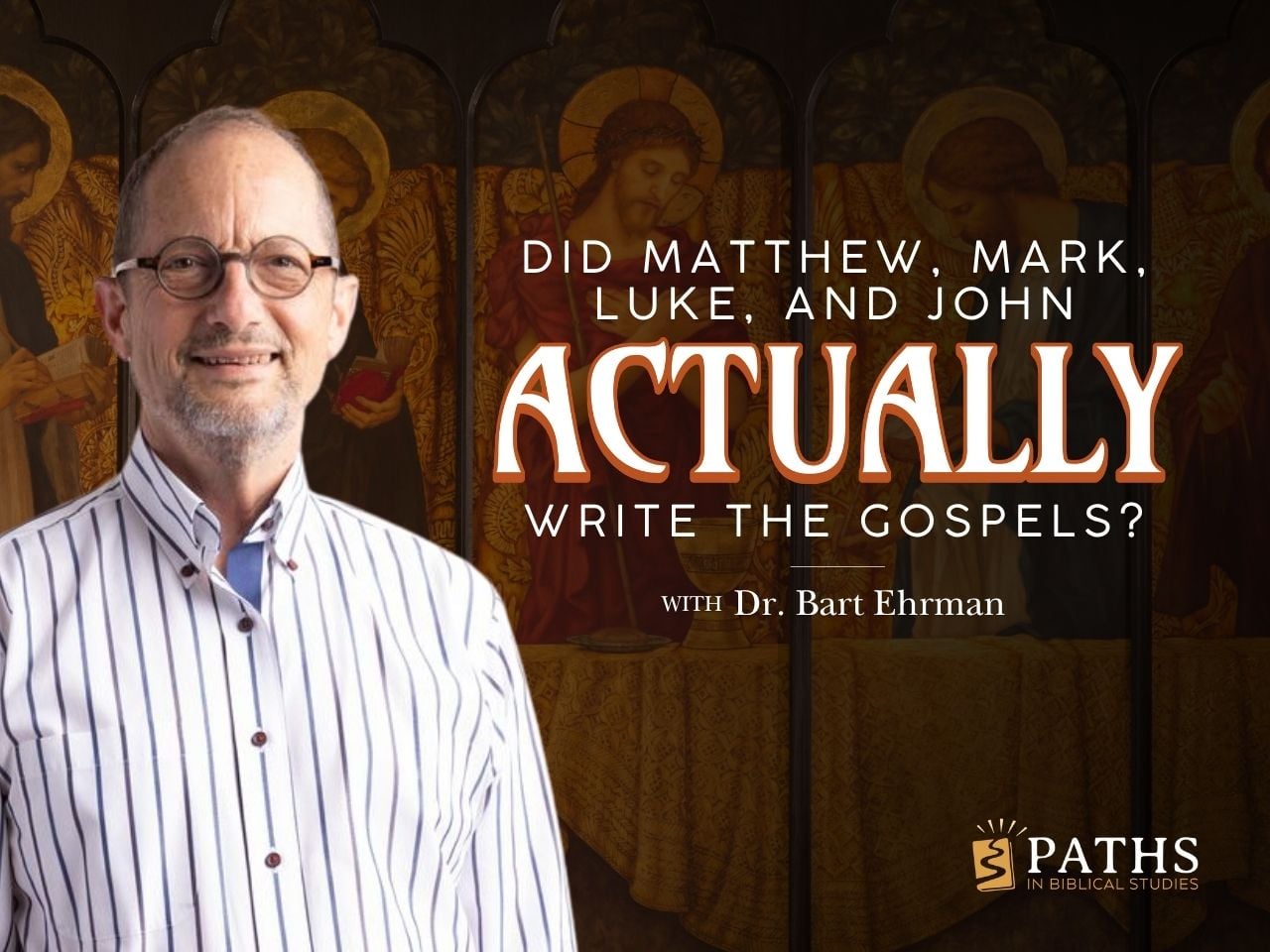
Nearly everyone assumes that the Gospels of Matthew, Mark, Luke, and John were written by …. Matthew Mark, Luke, and John. Is that actually likely? Historical scholars have long questioned the assumption, and many believe in fact it simply is not true. So who is right?
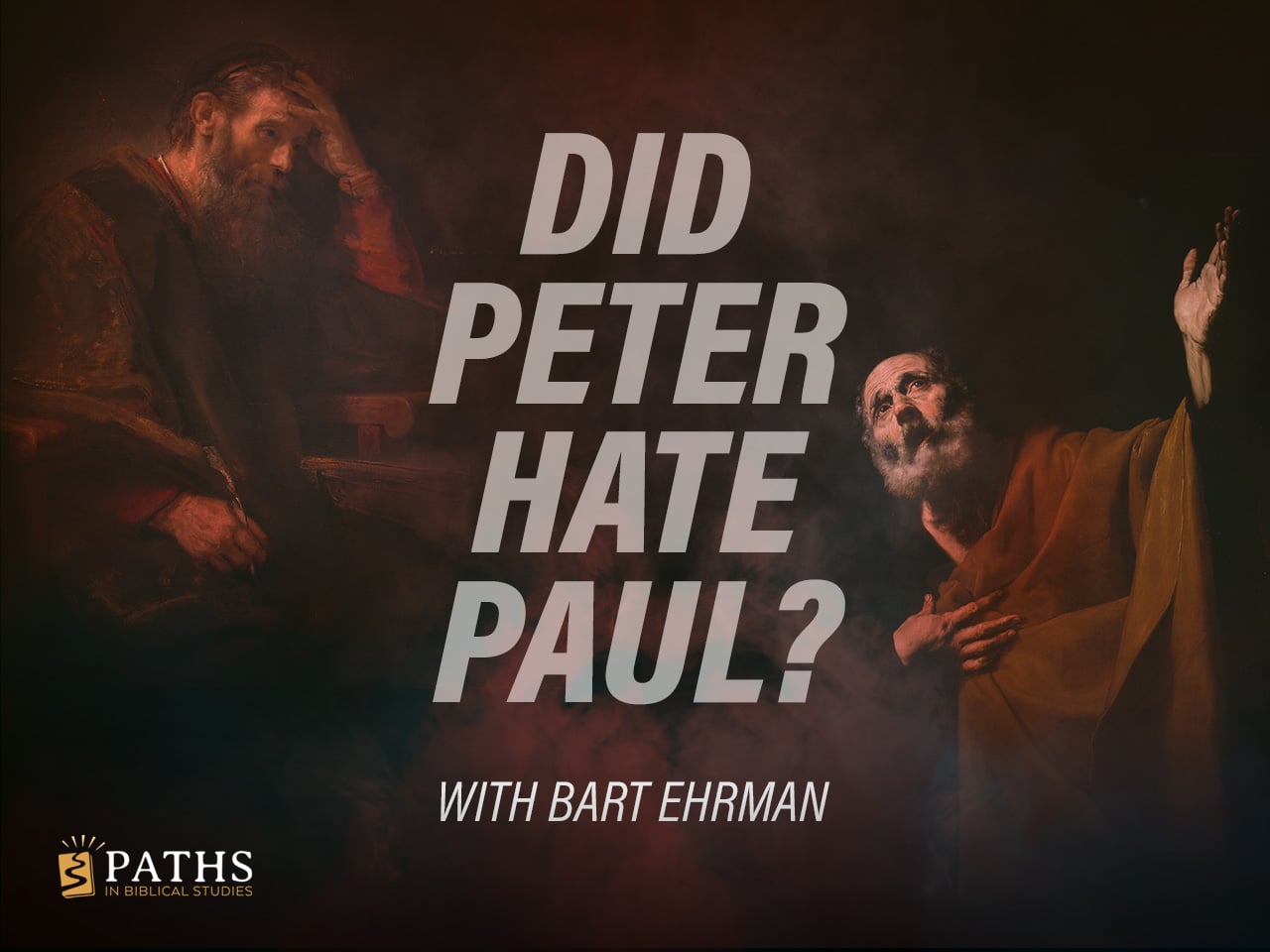
Explore the historical evidence that reveals the real relationship of Peter and Paul. We will explore what each text has to say about the matter, consider which ones suggest a “coverup,” and in the end, wrestle with the crucial historical question: “Did Peter Hate Paul?”
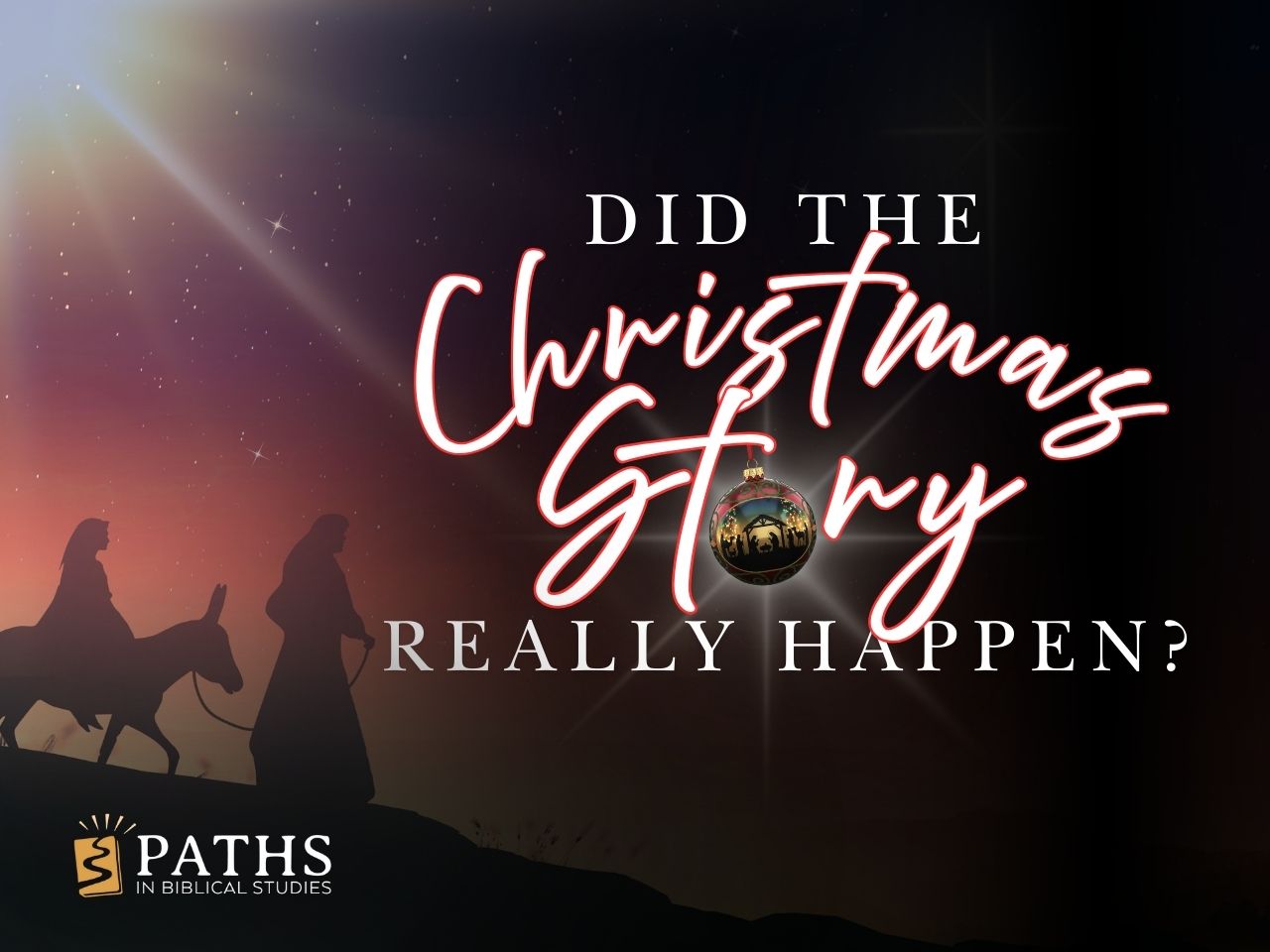
We all know the stories of Jesus' birth in Bethlehem, the Virgin birth, and the wise men as portrayed in the gospels of the New Testament. But what do historians actually know about the birth of Jesus?
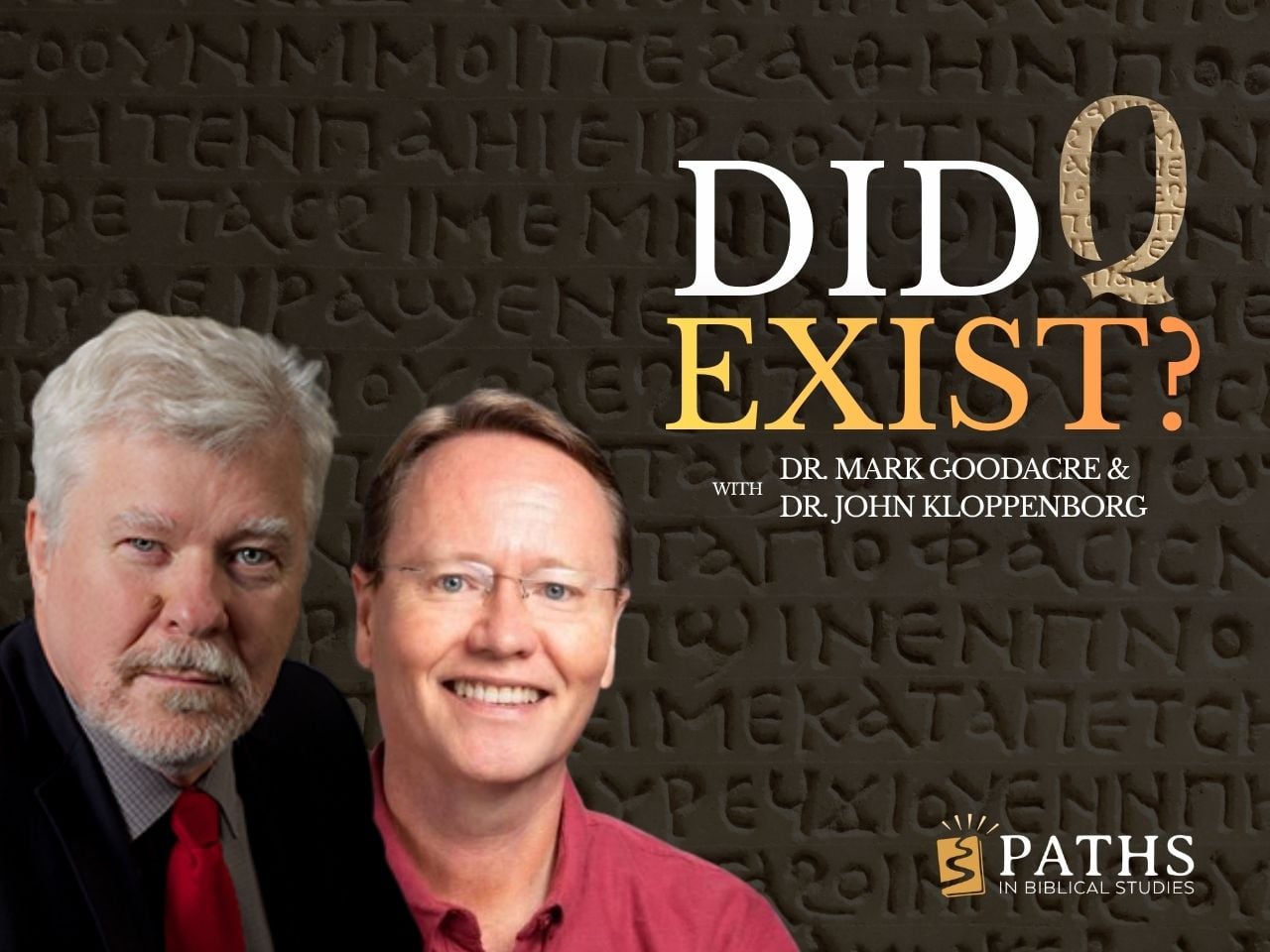
Matthew and Luke share material that isn't found in Mark. Is the hypothetical "Q" document the best explanation for these remarkable similarities, or did one of these gospels simply use the other as a source? Join two top experts in the field as they debate a major issue in New Testament studies today.
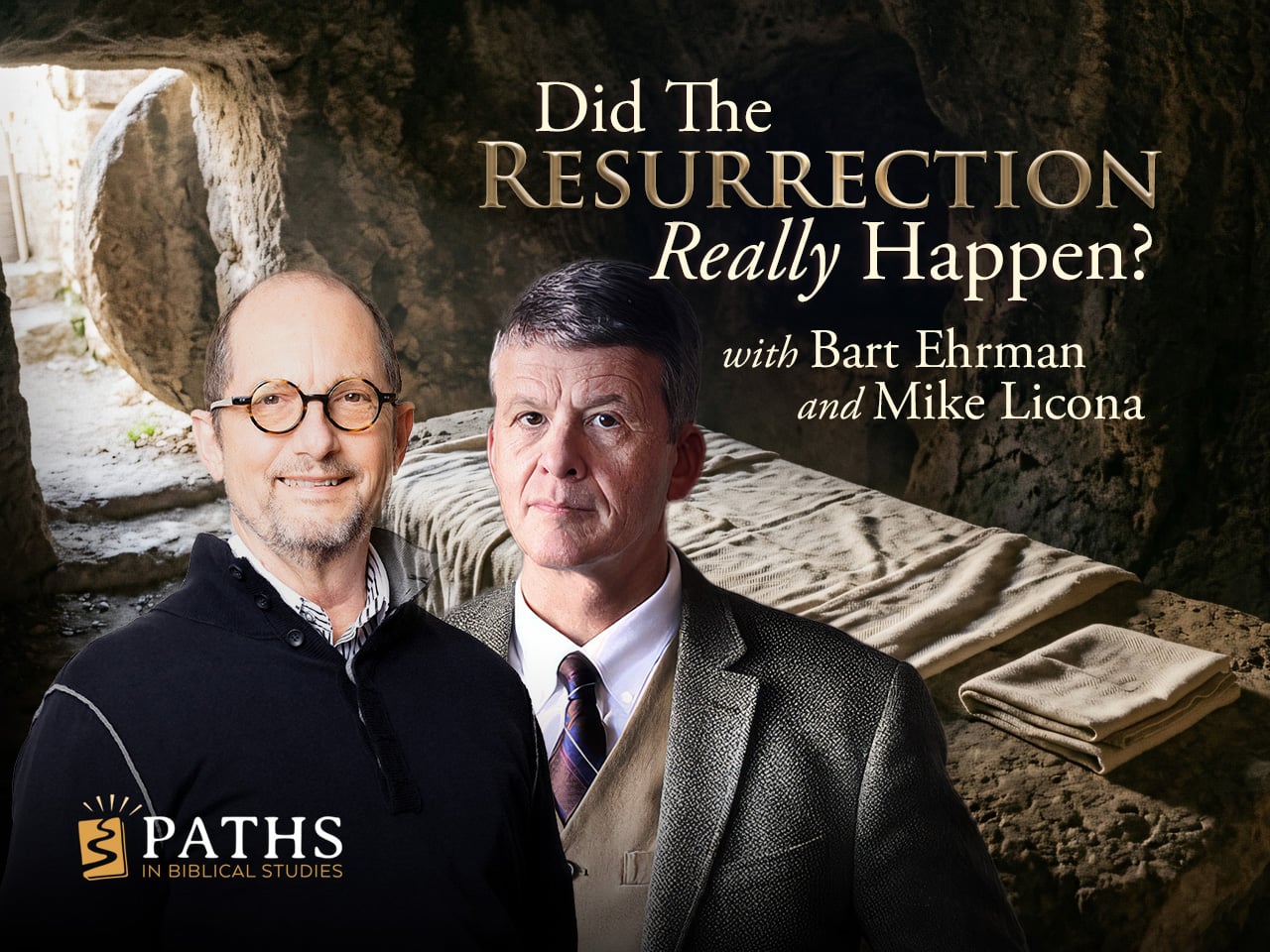
If Jesus didn’t rise, is Christianity dead? Two scholars on completely different sides of the issue examine the historical evidence for the resurrection of Jesus in an extensive debate.
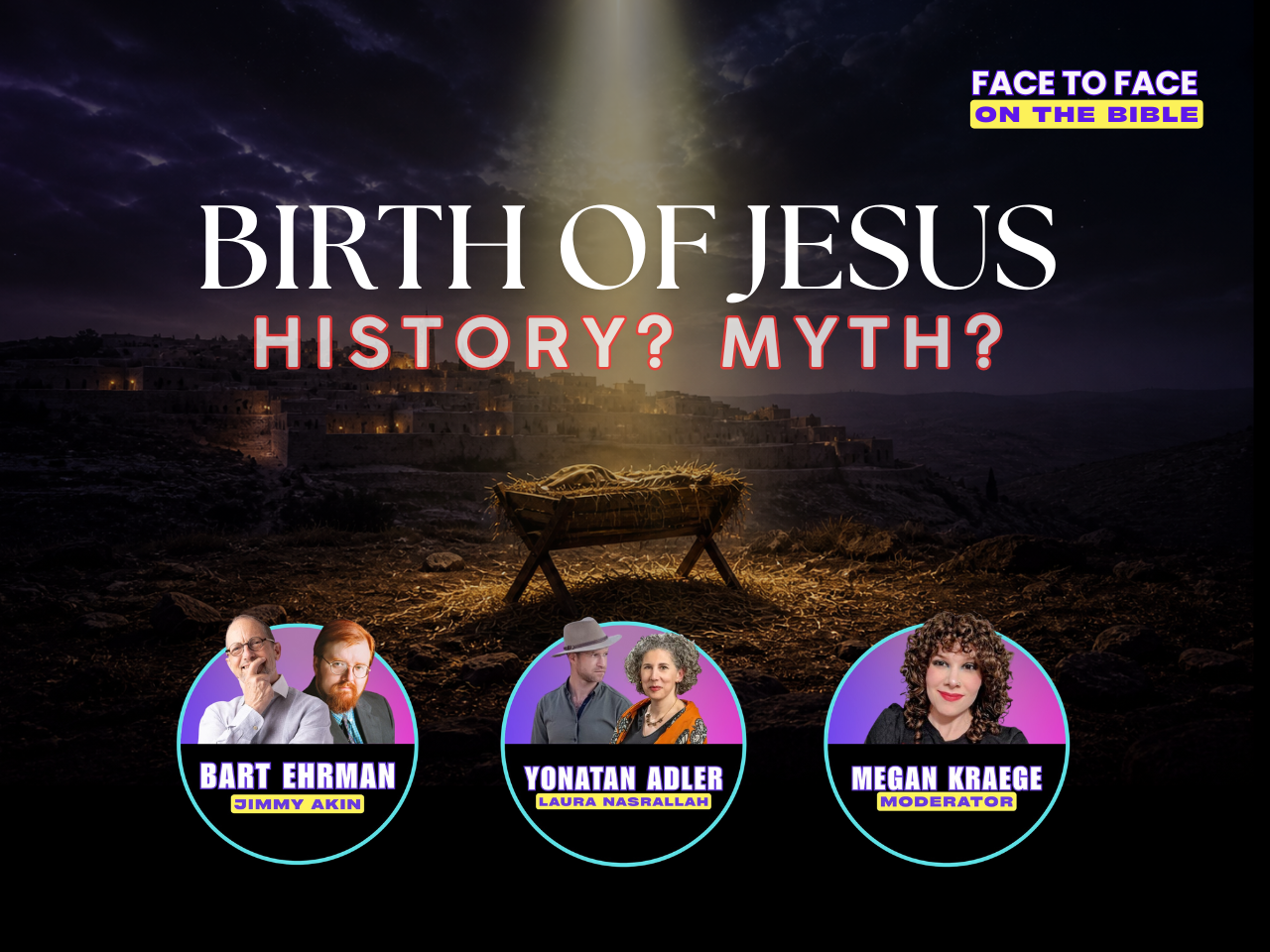
Go behind the scenes with a discussion and debate to uncover deeper truths and challenge common assumptions about the birth of Jesus. Was Jesus really born in Bethlehem? What was the world Jesus entered like?
If we are going to read the Bible well, it's important that we look at it through ancient eyes. Join archaeologist and biblical scholar Cynthia Shafer-Elliott in a journey through everyday life in the ancient Israel, and an exploration of why it matters.
Is the book of Joshua an accurate historical rundown, a tall theological tale, or something in between? Did those epic conquest stories actually happen or are we dealing with ancient storytelling? And what does archaeology have to say about it all?
Unpack the sophisticated and nuanced meaning of Mark, the least read and most under-appreciated - yet earliest and most brilliant - of the four accounts of Jesus' life in the New Testament.
This is not a traditional course, nor a debate. Explore currently scholarly perspectives about the Gospel of John in a series of paired discussions where ideas collide and fresh insights emerge.
The Gospel of Matthew is one of the most treasured accounts of Jesus’ life - yet it is also widely misunderstood by readers who do not notice its puzzling features or appreciate its sophistication. See the most frequently read book of the New Testament like you've never seen it before.
In this course, we consider how to understand the book of Acts. Is it a disinterested, objective description of what really happened in those years? Has the author shaped his history in light of his own religious commitments and theological beliefs? How do we decide?
Embark on a survey of the history of Judea from the Hasmonean revolt through the Jewish-Roman wars, centered around the ruthless reign and legacy of Herod the Great, the king who shaped the world Jesus was born into - and was perhaps viewed as a messiah in his own right.
Maybe you were taught every verse in the Bible has one clear meaning - or that nothing in the Bible is literal and every story finds its meaning in allegory. Either way, to engage with the Bible at all is to interpret it. This course traces the history of biblical interpretation and why it has changed over time.
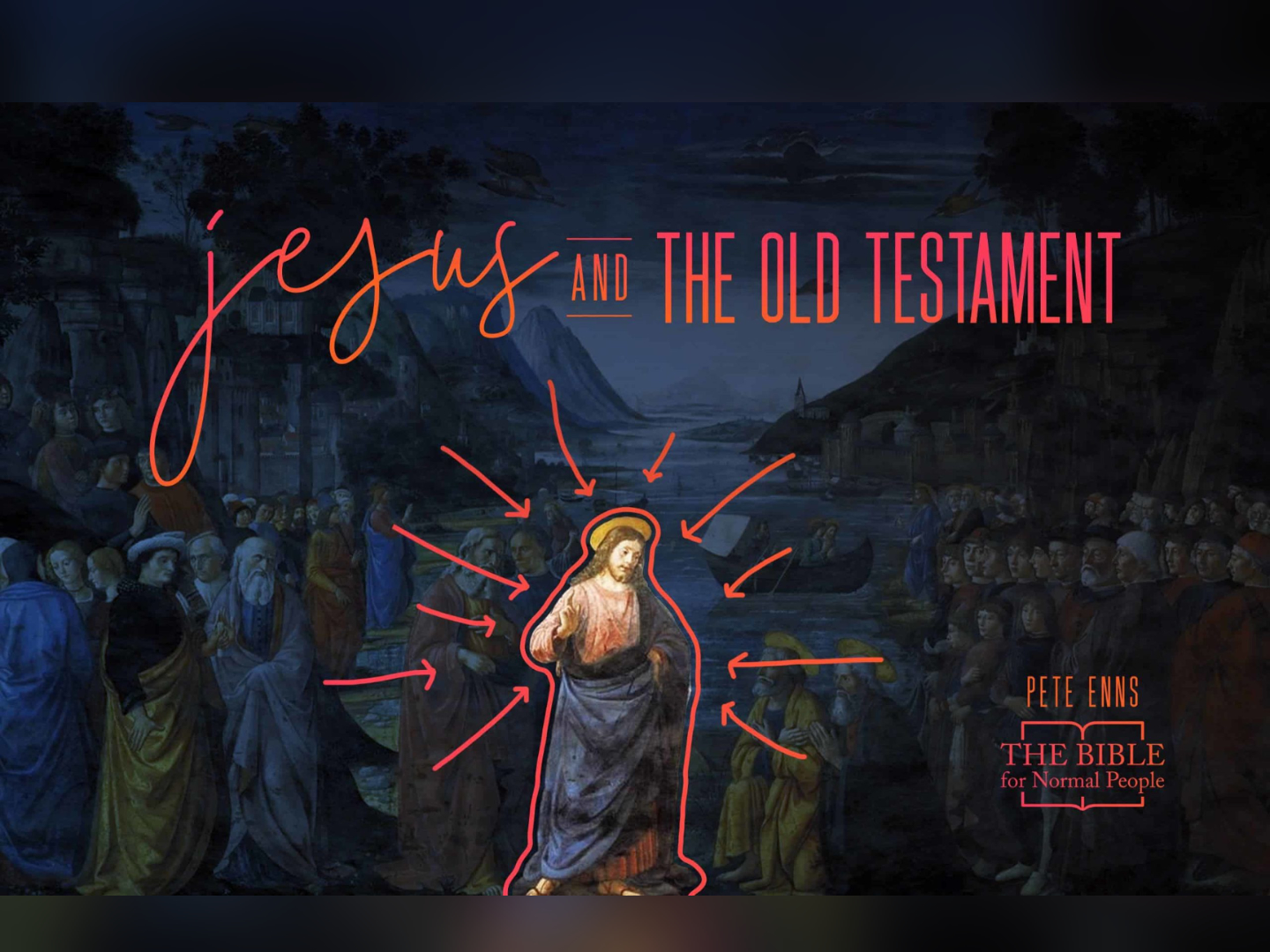
For the earliest Christians, the Old Testament wasn't background noise - it was the essential lens through which they made sense of his teachings, death, and resurrection. This course will give you the tools to read both Testaments with new eyes.
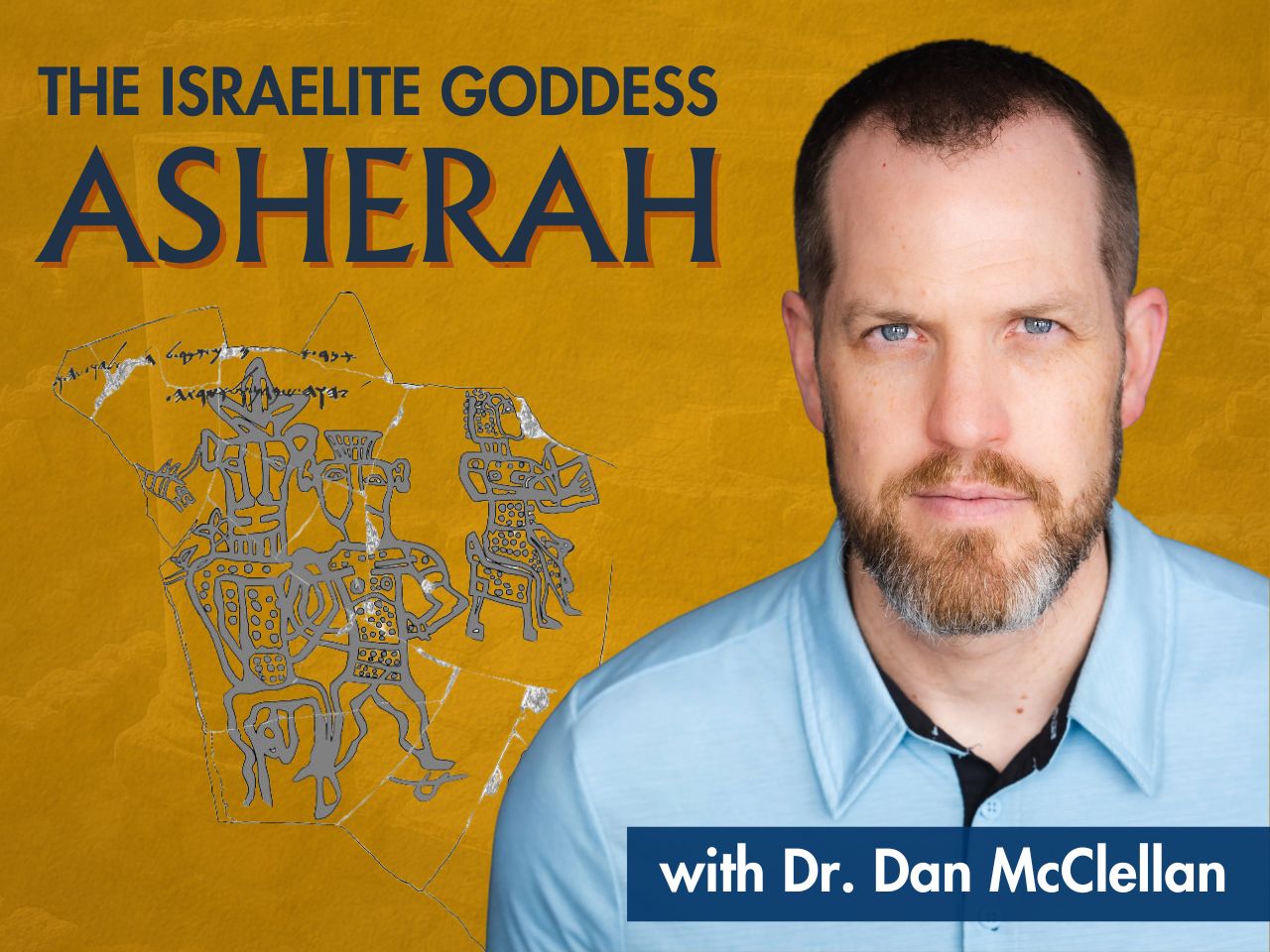
There's a goddess in the Hebrew Bible - but only if you know where to look. This course traces the origins of the Israelite goddess Asherah and her conceptualization, worship, representation, and complex relationships to other deities in the ancient world.
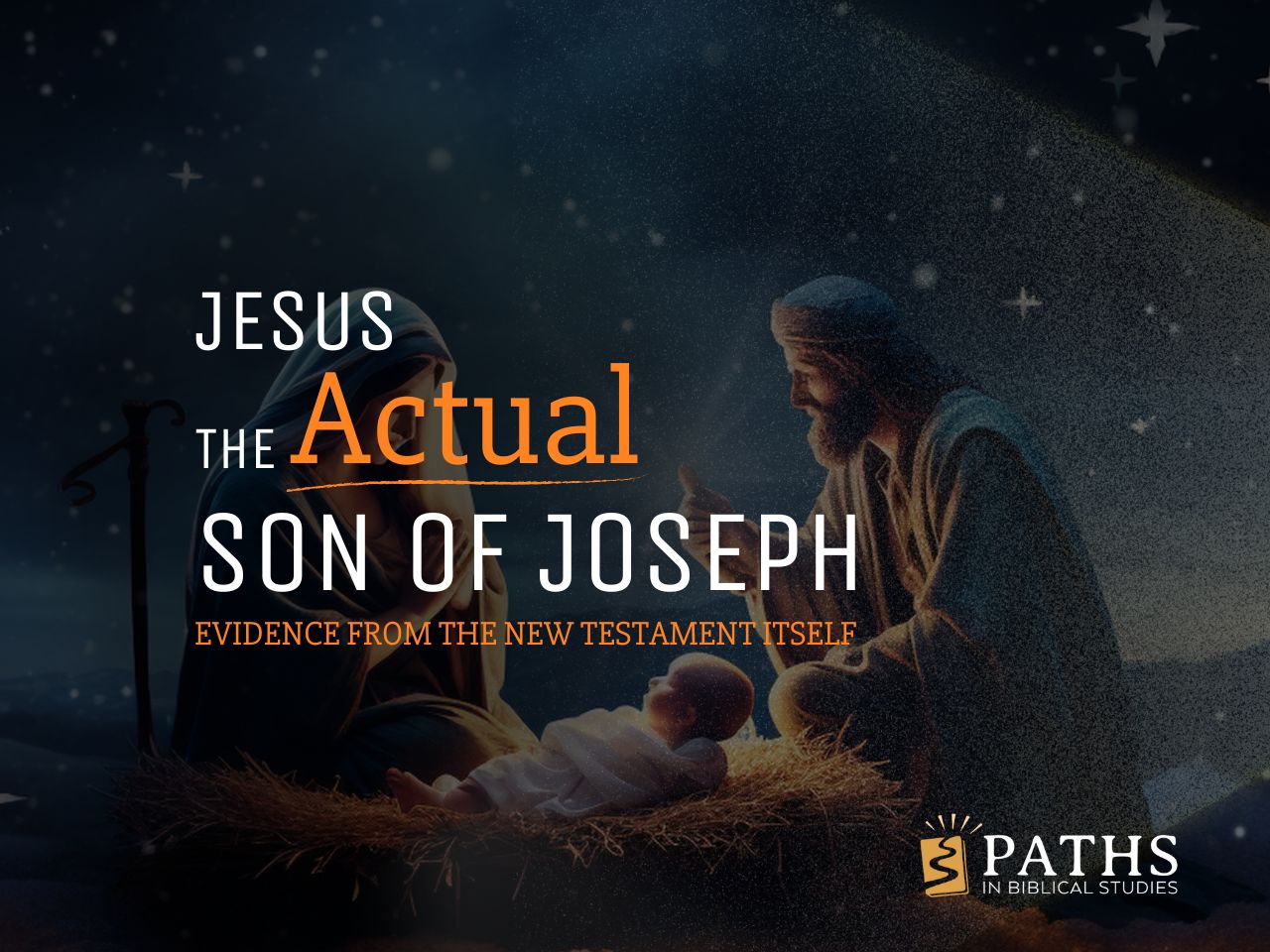
It is widely known that Matthew and Luke describe Jesus as born of a virgin. What is not widely known is that other passages of the New Testament indicate that Jesus was actually the biological son of Joseph. In this course, we examine the evidence and the origins of the virgin birth tradition.
Rethink everything you think you know about the origins of Judaism. This course explores the second temple period through major movements like sectarianism, apocalypticism, and messianic expectations that still live on in Judaism and Christianity to this day.
Journey back to the time of Jesus with a specialist in the archaeology of ancient Judaism, and explore the world that shaped one of history’s most influential figures.
Many readers of the New Testament do not fully appreciate how different the Gospel of Luke is from the other three Gospels. This course explores Luke’s distinctive portrayal of Jesus, and how it may even represent Jesus' own views better than Matthew and Mark.
Underneath the stories in the "Synoptic" Gospels, there are historical puzzles in search of solutions. This course is an investigation of these mysteries.
A deep dive into the book of Genesis from top scholars in the field. Gain lifetime access to the keynote presentation, twelve main talks, two special guest presentations, and bonus events presented at the inaugural New Insights into the Hebrew Bible conference in 2026.
A deep dive into the book of life and letters of Paul from top scholars in the field. Gain lifetime access to ten main talks and bonus events presented at the New Insights into the New Testament conference in 2024.
A deep dive into the historical Jesus from top scholars in the field. Gain lifetime access to the keynote presentation, ten main talks, four special guest presentations, and bonus events presented at the New Insights into the New Testament conference in 2025.
A deep dive into the four gospels of the New Testament from top scholars in the field. Gain lifetime access to ten main talks and bonus events presented at the inaugural New Insights into the New Testament conference in 2023.
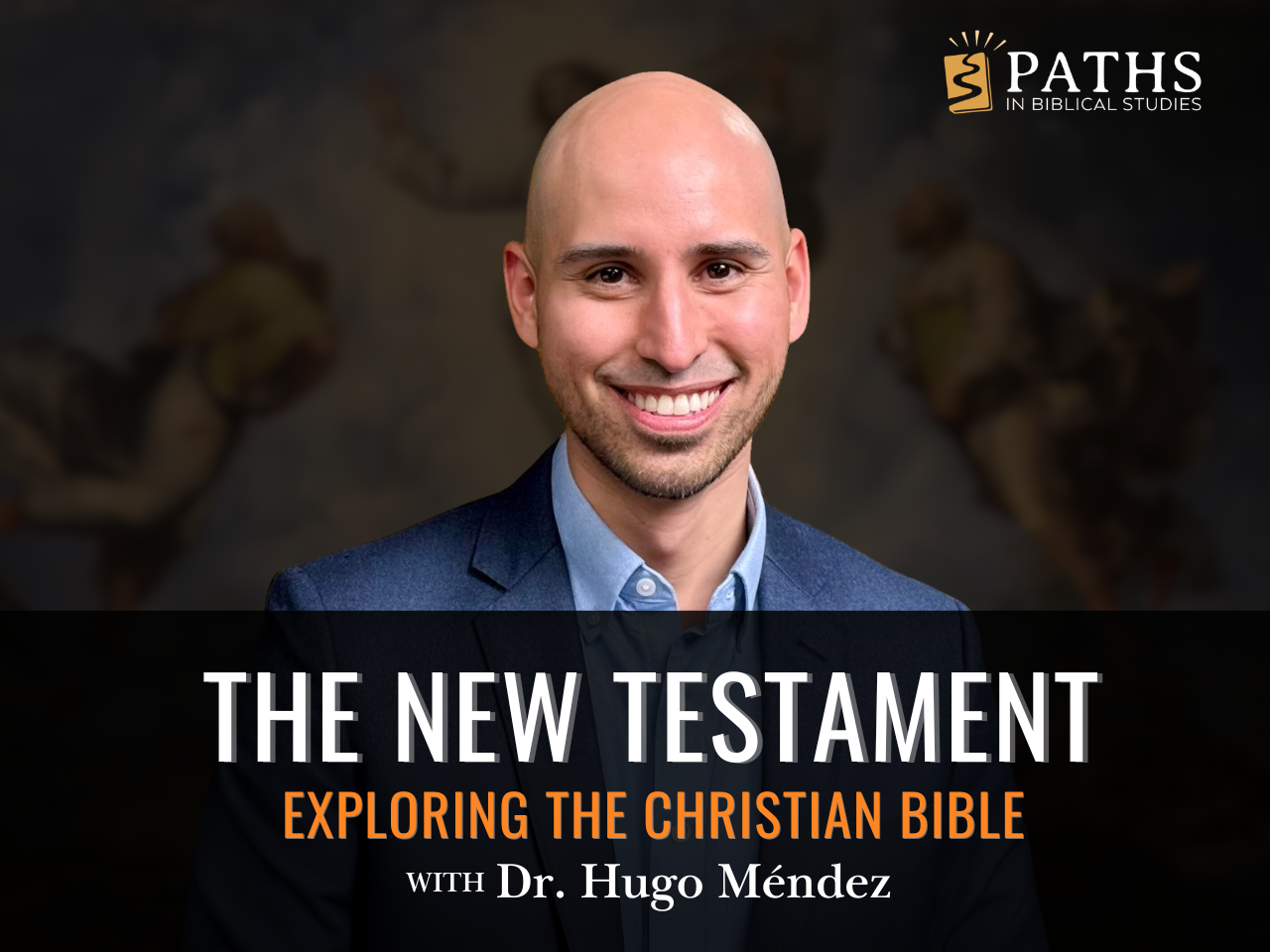
The New Testament weaves together stories and teachings that have shaped twenty centuries of theology, history, art, literature, and spirituality and that continue to inspire billions today. Learn the cutting-edge scholarship on one of the most influential literary collections in human history.
Prepare to challenge traditional narratives, re-examine familiar texts, and explore an often-ignored mystery of early Christianity: Is it possible that some of Jesus’ original disciples never believed he was raised from the dead?
Was Jesus of Nazareth the ONLY miracle-working Son of God to be born of a virgin? Search the internet and you’ll find a definitive answer: No! But what does an expert who has studied the ancient sources say?
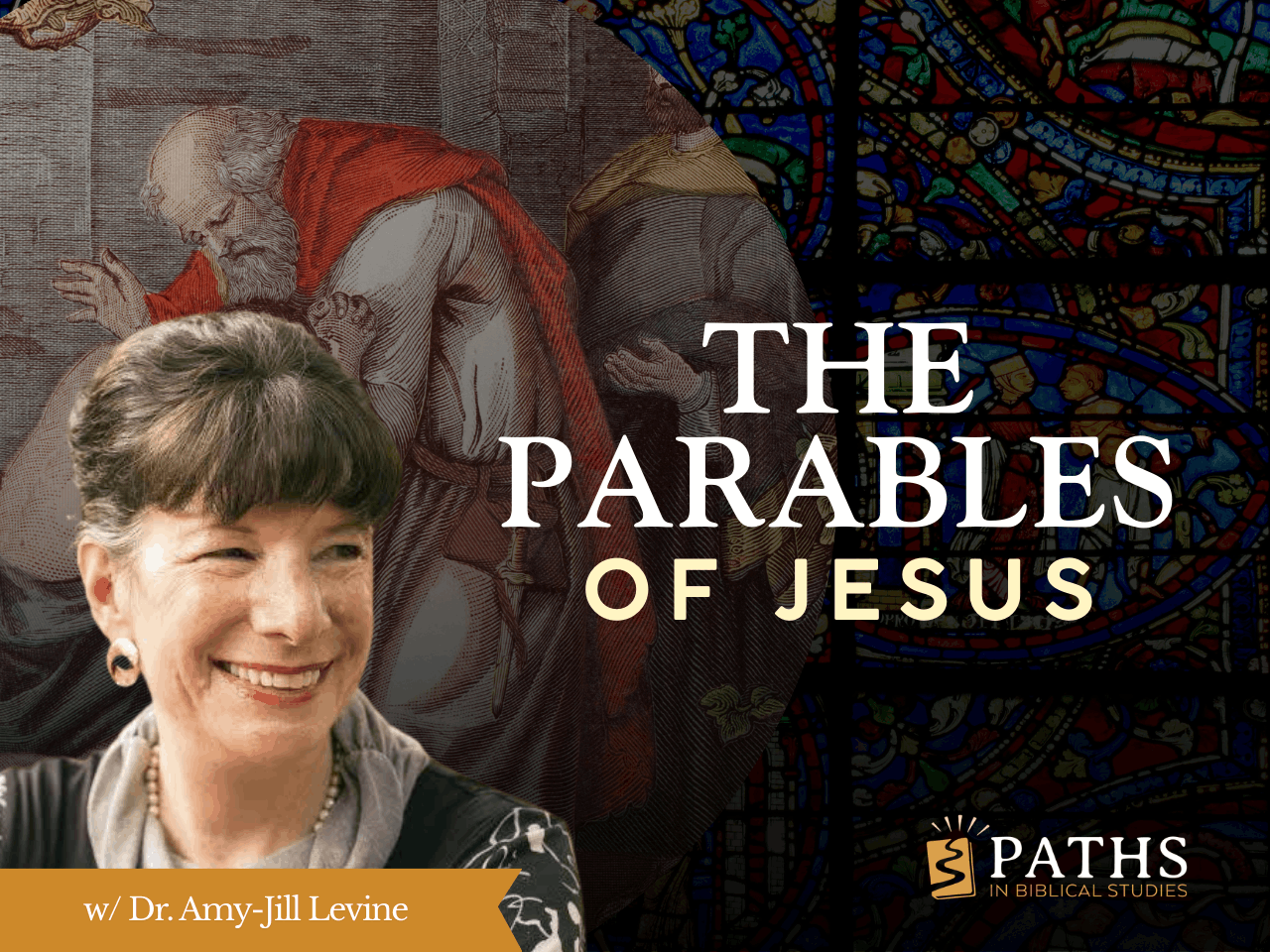
Parables have lost their punch, but first-century Jews knew that parables were not platitudes: they challenged, provoked, and engaged the mind as well as the heart. Rediscover the parables of Jesus with fresh eyes, as their first hearers might have understood them.
The two most important figures in the entire history of Christianity were Jesus himself and his later follower, the apostle Paul. But how closely related were they? Did they preach the same message? Did they even have the same religion?
Based on a New York Times bestselling book, this course explores questions critically important to anyone interested in the New Testament: Do we have the original writings? How do we know if the texts have been changed, either slightly or in highly significant ways?
The Ten Commandments are the pinnacle of biblical law and of divine revelation... but what if they weren't, really? This course will explore the real history of the Ten Commandments: where (and when) they came from, what they originally meant, and how they became what they are today.
Determining "What Would Jesus Do" is tricker than you might think. What did Jesus really mean when he said it was easier for a camel to go through the eye of a needle than for a rich person to enter into the Kingdom of Heaven? What did Jesus teach about wealth, and why does it matter today?
The New Testament Gospels of Matthew, Mark, Luke, and John provide us with virtually all our knowledge of what Jesus said and did. But can we corroborate these accounts? Are they historically reliable? Are some of them based on myth and legend?
Scholars agree: Jesus of Nazareth existed. But vocal critics say we can't trust the Bible for historical information about him. In this eye-opening course, Dr. explore the tools historians accept and use — and what can really say about Jesus with confidence.
This free course is unlike any other. Follow Dr. Bart D. Ehrman's personal journey through and eventually beyond Christianity as he reveals the problems that pulled him away from faith, and what life is like on the other side as an agnostic atheist.

Brace yourself for the revelation that awaits as we debunk the myths around the history of the rapture and the most controversial book in the New Testament - Revelation, the Bible's only apocalypse.